
Small Hands, Real Work
November 13, 2026
"Let me do it."
Those little words can arrive just as we are trying to finish supper dishes and get everyone ready for bed. We want our children and grandchildren to grow into capable, caring people. But in that moment, we also want a clean kitchen.
We could do it faster ourselves. So how do we make room for small hands without losing our patience?
Start with one useful job, and stay beside them.
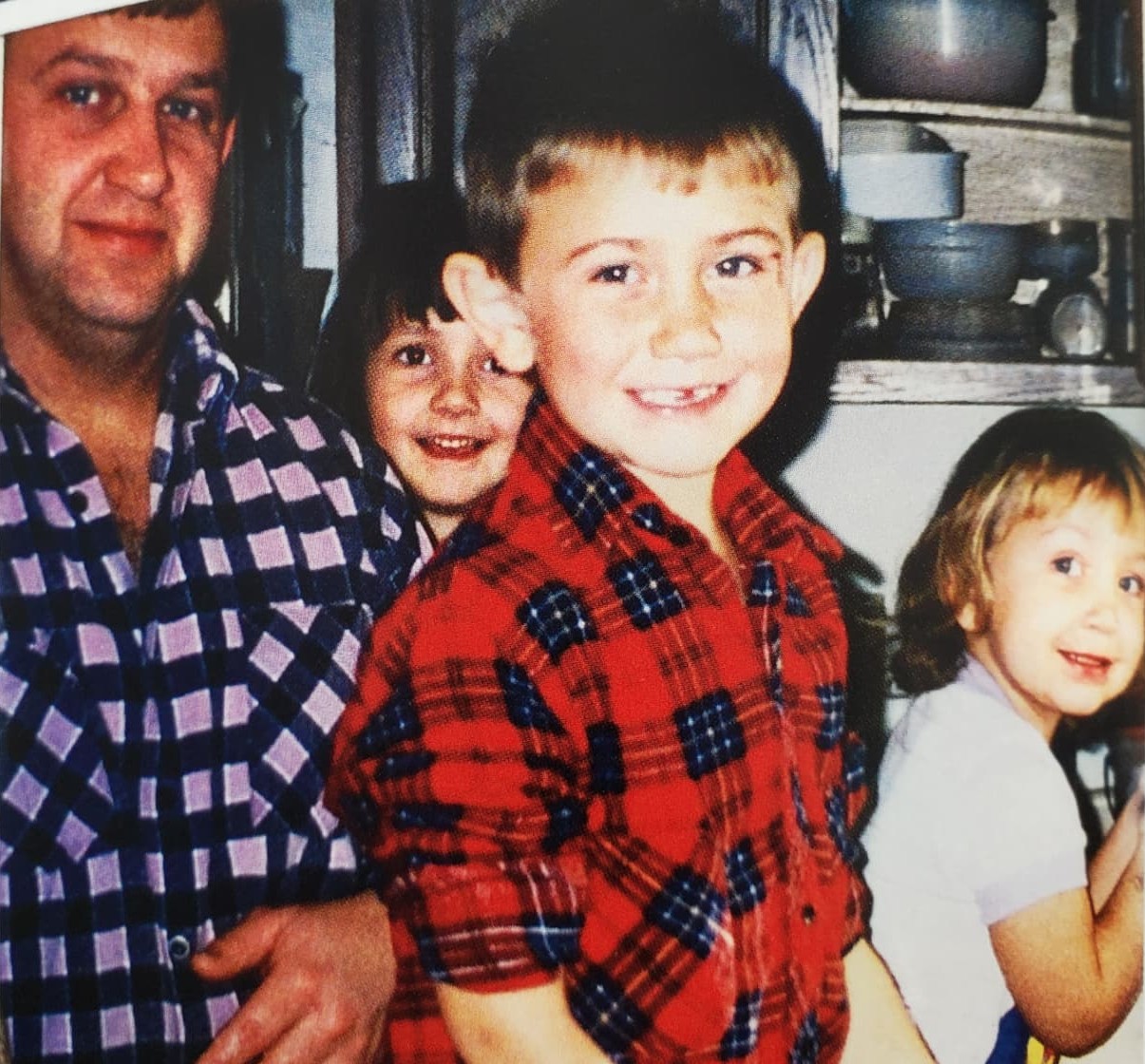
Looking at this picture of Jerry and our children at the sink reminds me that a family passes down more than stories. We pass down ways of caring for one another, often with a washcloth in hand.
I know the pull to hurry. Making room for a helper does not mean we never feel impatient. It means we can pause, offer one small step, and begin again when we need to.
Their Hands Have a Place Here
A child does not need a pretend job to feel useful. Rinsing a supper bowl, carrying clean washcloths, or watering a thirsty plant serves someone or something they love.
Genesis 2:15 tells us that God placed the man in the garden to work it and take care of it. Work and care belong together. Even washing dishes can become a small act of stewardship, tending what God has placed within our reach.
Children deserve the chance to learn that they can contribute, not just watch. "We are washing these bowls so our family has clean dishes for breakfast" tells them why their effort matters.
They Need a Guide, Not a Perfect Beginning
In What Builders Grow, eight-year-old Jacob wants to help Grandpa repair a broken fence at Riverstone Ranch. Then the wire snaps, tools slip, and Trouble the cow adds trouble of her own. Jacob needs more than oversized hand-me-down gloves. He needs Grandpa's patient guidance.
Our children need that same closeness when a dish slips or suds spill. A messy first try is not a failed lesson. It is a place to teach the next step.
"You scrubbed that whole rim clean. Now let's rinse it together."
We do not have to take over every time something gets difficult. We can help them discover what to do next.
Three Small Steps at the Sink
- Give them one real job. Choose an unbreakable bowl or cup. Explain who their work will help. Use a sturdy stool if needed, supervise closely, and keep sharp tools, hot water, and fragile glassware in adult hands.
- Show one step, then let them try. Wash one dish slowly together. Let them rinse while you dry. When they struggle, offer the next small step instead of reaching to do it all yourself.
- Notice their care. Say what you saw: "You kept trying when that spot was hard to clean." Thank them for helping your family, then ask what they learned.
If you want to keep the memory, invite them to draw the sudsy sink or record the lesson in your Faithful Hands Family Guide. You might share who first taught you to help, too.
Make Room for One Helper This Week
Choose one meal this week. Invite your child or grandchild to the sink, and give yourselves ten extra minutes. One dish is enough to begin.
When we always do the work for them, we can miss small chances for them to practice patience, responsibility, and care. That is not a reason for guilt over a busy evening. It is an invitation to make room at the next one.
Over time, those shared moments can help a child move from "I can't" to "Let me try." They learn that their hands are capable, their effort matters, and they have something to offer the people they love.
The sink will fill up again tomorrow. The lesson can last much longer.
I pray your home is blessed by the ordinary work you share.
Rachel Van Essen
Faithful Hands Books
Before they're grown, show them how.