
What a Grandparent Can Teach in an Ordinary Afternoon
November 17, 2026
A grandparent may know how to mend a shirt, sharpen a pencil with care, plant a straight row, or make a meal from what is already in the cupboard. To a child, those ordinary abilities can look almost mysterious. How does Grandma know when the dough is ready? How does Grandpa know which tool to choose?
The answer is usually years of practice, mistakes, and help from someone else. But children cannot see those years. They need someone to slow down, make room beside them, and show them where to begin.
That is one of the quiet gifts grandparents can offer: not simply doing something well, but helping a child learn to do it too.
More Than a Finished Job
In *What Builders Grow*, eight-year-old Jacob is eager to help Grandpa repair a broken fence at Riverstone Ranch. He has oversized hand-me-down gloves and plenty of enthusiasm. What he does not yet have is experience.
The work brings surprises. Wire snaps, tools slip, and Trouble the cow adds her own complications. Through Grandpa’s patient guidance, Jacob learns that building requires listening, perseverance, and the courage to keep trying.
A repaired fence matters. So does the child learning beside it.
When grandparents teach a skill, they are often passing along habits that reach beyond the task. Put things away when you finish. Notice what needs care. Ask for help before guessing. A mistake does not mean you are incapable.
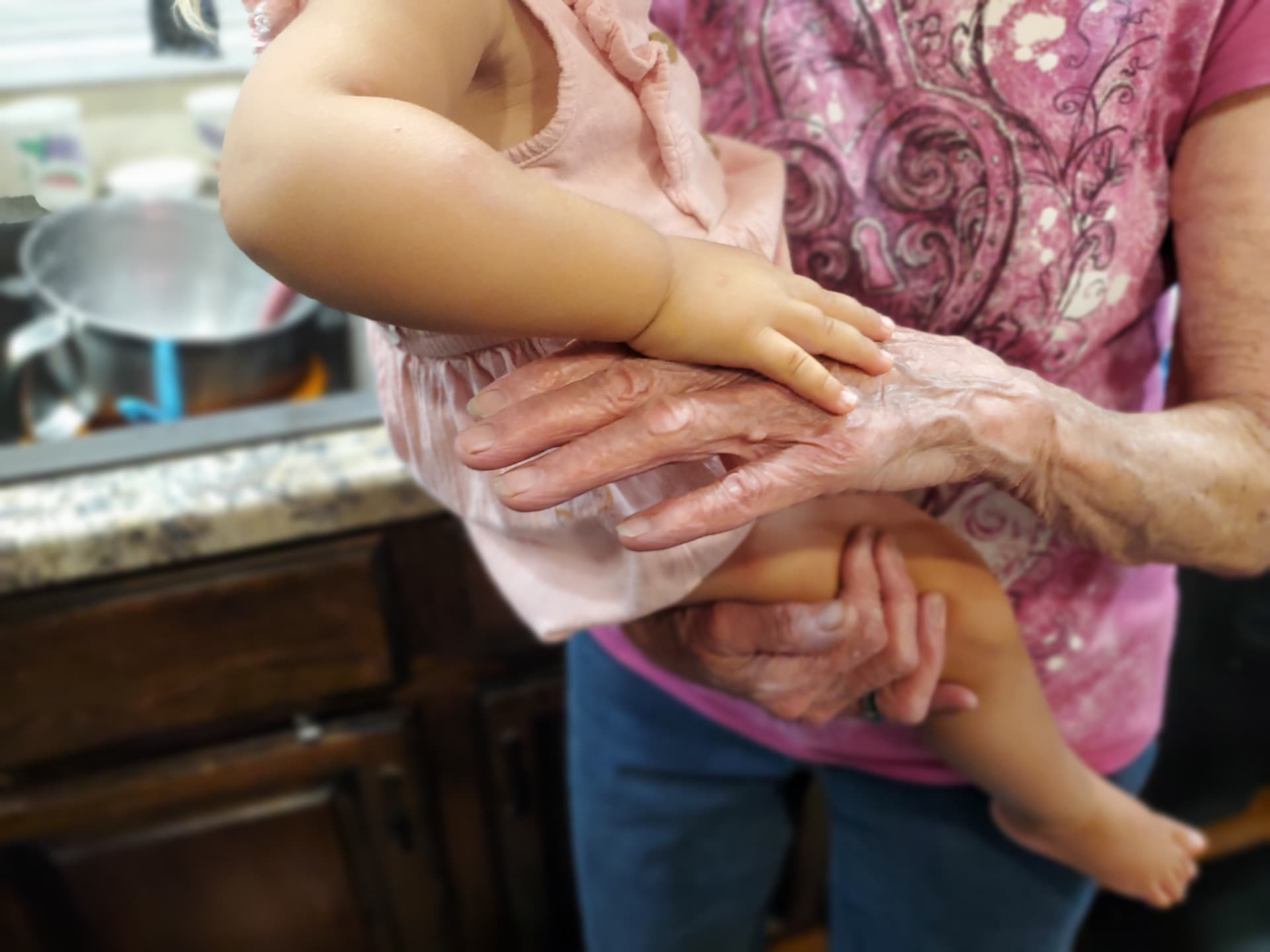
Those lessons take root through repeated, ordinary moments. A child remembers not only what a grandparent knew, but how it felt to be welcomed into the work.
Leave Room for Learning
Teaching usually takes longer than doing the job alone. Towels may be uneven. A row of seeds may wander. The same instruction may need to be given several times.
It helps to choose a task with room for an imperfect first attempt. Show one step, then let the child try it. Keep tools and responsibilities suited to the child’s age and ability. Stay close enough to help without taking over at the first struggle.
Parents can support this relationship by protecting a little unhurried time. The afternoon does not need a large project or a perfect result. Sometimes ten minutes beside a grandparent is enough to begin.
Genesis 2:15 describes God placing the man in the garden to work it and care for it. Work and care belong together from the beginning. As we teach children to tend a home, a garden, or a useful belonging, we can help them see everyday work as one way to care for what God has entrusted to us.
This Week: A Towel and a Family Story
Invite a grandparent to teach a child how to fold a hand towel and put it where it belongs. If you live apart, this can happen over a video call, with a towel on each end.
Let the grandparent demonstrate once, slowly. Then give the child a turn with two or three towels. Explain why the task helps the household: clean towels are easier to find and use when they have a place.
While you work, ask, “Who taught you to help at home when you were little?” Leave room for whatever memory comes, even if it is brief.
The “Who Taught You?” family interview printable in *The Faithful Hands Family Guide, 12 Skills and Stories Worth Passing Down* offers a natural way to continue that conversation. Afterward, the child can record or draw what the grandparent taught them.
The towels will be used and unfolded again. That does not make the lesson small. A child has practiced caring for others, heard a piece of family history, and been trusted with real work.
This week, consider one ordinary thing you know how to do. Who helped you learn it? And who might be ready to learn beside you?